Italian cuisine is the culinary tradition of Italy built on regional dishes, seasonal ingredients, and straightforward techniques that honor flavor. It centers on pasta, pizza, vegetables, olive oil, and herbs to create balanced meals. For Baranow diners, authentic methods mean reliable comfort you can enjoy dine-in or through convenient online ordering.
By Bellissimo Pizza & Pasta • Last updated: 2026-06-23
Above-Fold: Hook & Table of Contents
Use this guide to quickly grasp Italian cuisine: what it is, why it resonates, how dishes come together, and how to order well in Baranow. Jump to ingredients, regional styles, best practices, tools, local tips, and practical examples you can use tonight.
Hungry for the best parts of Italian cooking—without the guesswork? This complete guide gives you practical tips to order, pair, and enjoy authentic flavors at home or at your neighborhood spot.
- Quick Summary
- What Is Italian Cuisine?
- Why Italian Cuisine Matters
- How Italian Cuisine Works
- Types, Regions, and Techniques
- Best Practices: Ordering, Pairing, Reheating
- Tools and Resources
- Comparison: Dine-In vs. Online Ordering vs. Group Pickup
- Case Studies and Local Examples
- Frequently Asked Questions
- Key Takeaways
- Conclusion
- Related Articles
Quick Summary
Italian cuisine celebrates simplicity: quality ingredients, restrained technique, and balance. At Bellissimo Pizza & Pasta, that means handcrafted doughs, fresh pastas, bright sauces, and warm service—whether you dine in or order online in Baranow for takeout.
- Core building blocks: flour, tomatoes, olive oil, cheese, and herbs.
- Common timings: pasta cooks in 8–12 minutes; quick-fired pizzas finish in ~90–180 seconds at high heat.
- Practical wins: smart pairings, right portioning, and safe leftover reheating to 165°F.
Want beverage ideas for tomato, cream, and olive-oil sauces? See our Italian restaurant drinks guide for crisp, refreshing matches that highlight each bite.
What Is Italian Cuisine?
Italian cuisine is a collection of regional food traditions defined by seasonal ingredients, balanced flavors, and simple techniques. It favors fresh pasta, long-fermented doughs, olive oil, tomatoes, herbs, and cheeses to create comforting, memorable meals that travel well from kitchen to table.
In our kitchen, “authentic” means restraint, time, and consistency. We salt pasta water to roughly 1–2% salinity for better seasoning. Doughs rest 24–72 hours for depth. Sauces simmer 30–90 minutes to build body. These are guideposts that keep flavors clean and focused.
- Ingredients first: ripe tomatoes, finely milled flour, extra-virgin olive oil, basil, oregano, Pecorino Romano, Parmigiano-Reggiano, and fresh mozzarella.
- Technique second: al dente texture, gentle sautéing of aromatics (5–7 minutes), and finishing pasta in sauce for 60–90 seconds.
- Balance always: fat, acid, salt, and heat tuned so every bite feels light yet satisfying.
At Bellissimo Pizza & Pasta, we translate those principles into handcrafted pizzas, fresh pastas, and Italian appetizers that feel both classic and neighborhood-friendly for Baranow families.
Why Italian Cuisine Matters
Italian cuisine matters because it’s satisfying, adaptable, and social. Simple techniques make weeknight meals easy, while handcrafted restaurant dishes turn gatherings into occasions. For Baranow households, it offers reliable comfort, quick lunches, and crowd-pleasing flavors.
Food brings people together fast. Shareable starters often arrive in 6–10 minutes, many pasta mains land in under 15, and pizzas can reach your table within 10–12. That speed supports everyday realities like 30–45 minute lunch windows or kid-friendly dinners that stay on schedule.
- Everyday comfort: tomato-basil, light cream, and olive-oil sauces anchor balanced plates without heaviness.
- Flexible formats: dine in with friends, pick up on the way home, or plan small-party platters that are easy to serve.
- Predictable timing: fast-fired pies (90–180 seconds) and quick sautés align with busy days.
- Nutrition-aware choices: vegetable-forward starters and lean toppings help balance the plate.
When neighbors in Baranow ask what to order for a mixed group, we suggest 1–2 starters per four guests, a mix of red and white sauces, and one vegetable-forward pizza. It hits a range of tastes without over-ordering and keeps the table lively.
How Italian Cuisine Works (From Pantry to Plate)
Italian cuisine works by layering quality ingredients with restraint: season thoughtfully, cook to texture, and finish with freshness. Start with a simple base (dough or pasta), build flavor (aromatics and sauce), then add contrast (herbs, cheese, acidity) for lift.
Think in stages—the sequence is what keeps dishes bright instead of heavy.
- Prep smart: chop aromatics uniformly (¼-inch dice cooks evenly in 5–7 minutes); bring 4–6 quarts of water per pound of pasta to a rolling boil.
- Build base flavor: sweat garlic and onion gently; avoid browning to prevent bitterness (keep oil temperature moderate).
- Cook to texture: aim al dente with 1–2 minutes shy in water, then finish 60–90 seconds in sauce so starches emulsify naturally.
- Balance and finish: reserve ½–1 cup pasta water to adjust body; finish with a drizzle of olive oil, torn basil, or a squeeze of lemon for brightness.
For pizza, fermentation time (24–72 hours), oven temperature (700–900°F), and dough hydration (often 60–65%) shape texture. High heat can create leopard spotting in about 90–120 seconds while keeping the center tender.
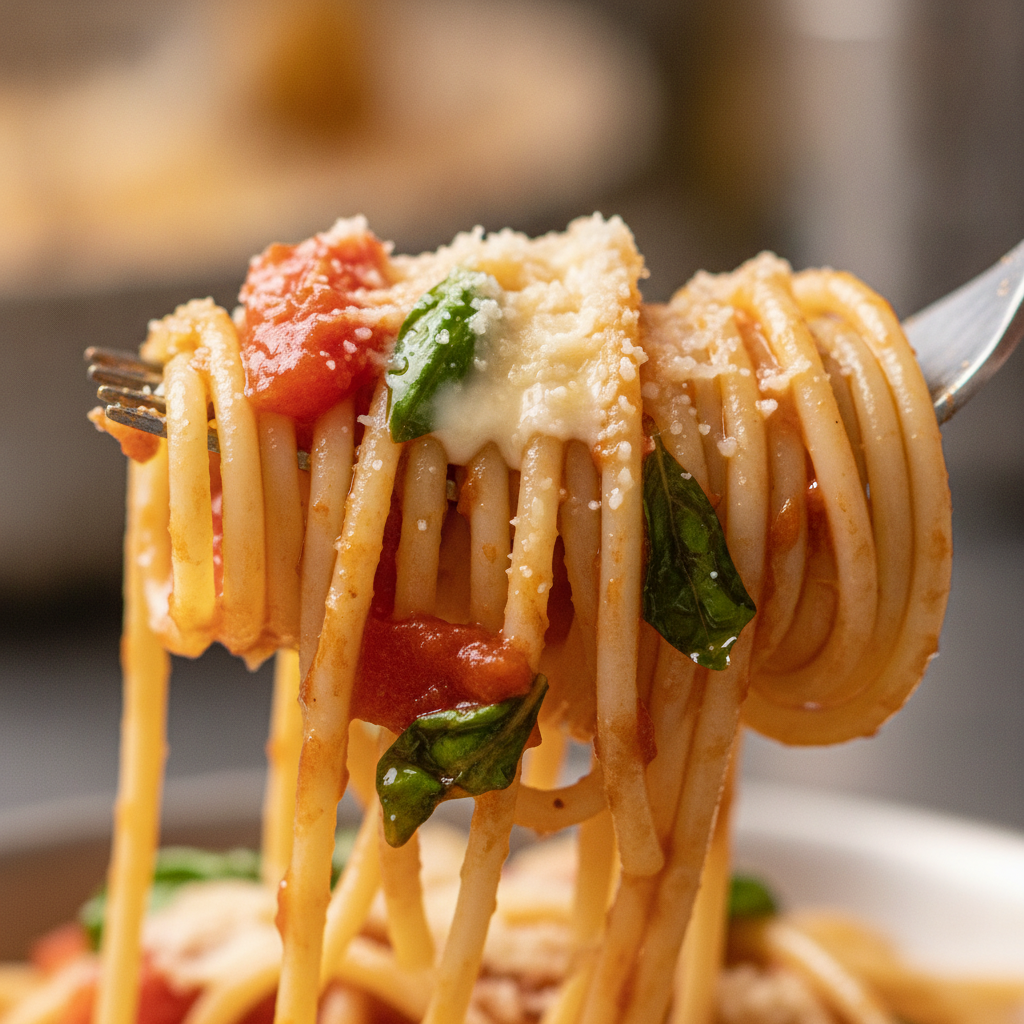
For families, the workflow is simple: start an appetizer at minute 0, fire a pizza at minute 5, drop pasta at minute 10, and you’ll have a full table within 20 minutes. That cadence keeps everyone engaged without long gaps between plates.
Curious how appetizers set the tone? Explore our take on balance and flavor in the pesto appetizers guide and our crowd-pleasing Italian meatball appetizer ideas.
Types, Regions, and Techniques
Italian cuisine spans regional styles—from Naples’ pizza and Rome’s cacio e pepe to Northern risottos. Techniques stay simple: sauté, simmer, roast, and bake at high heat. The art is in restraint, timing, and ingredient quality more than complexity.
Regional classics to know
- Naples (Campania): Margherita pizza, San Marzano tomatoes, fresh mozzarella; fast bakes in 90–120 seconds create blistered crusts.
- Rome (Lazio): cacio e pepe built on Pecorino Romano and black pepper; carbonara emulsified off-heat around 145–150°F for silkiness.
- Emilia-Romagna: slow-simmered ragù (2–3 hours), Parmigiano-Reggiano aged 24–36 months for deep, nutty complexity.
- Tuscany: grilled meats, beans, and rustic breads; soups like ribollita use next-day reheating to thicken texture.
- Sicily: citrus, seafood, and capers; eggplant dishes such as caponata balance sweet-sour in a 2:1 ratio.
Techniques that travel well
- Finishing in sauce: 60–90 seconds of finishing time creates a stable emulsion without heavy cream.
- Par-baking pizza: 3–4 minutes initial bake helps keep takeout crisp after reheating at 425°F for 6–8 minutes.
- Roasting vegetables: 400–425°F for 15–25 minutes concentrates sweetness; toss with 1–2 tablespoons olive oil per pound.
- Cooling quickly: cool leftovers within 2 hours and reheat to 165°F for safety and best texture.
Best Practices: Ordering, Pairing, Reheating
Order for balance (variety of sauces and textures), pair with complementary drinks, and reheat gently. Combine a crisp appetizer, a vegetable-forward pizza, and a comforting pasta. Reheat pizza on a hot surface and pasta with a splash of water for best results.
Ordering for groups
- Plan 1–2 starters per four people; mix crunchy (bruschetta) and savory (meatballs) for variety.
- Choose 2–3 mains: one red-sauce pasta, one cream or olive-oil–based pasta, and one pizza with vegetables.
- Expect a standard dine-in flow to fully serve a table in 15–25 minutes with a starter + pizza + pasta lineup.
Smart pairings
- Tomato sauces: pair with sparkling water or citrusy sodas to balance acidity; herbal mocktails also shine.
- Cream sauces: choose bubbles or light, crisp drinks to refresh the palate.
- Pizza with cured meats: offset salt with something bright—think a lemony spritz or non-alcoholic bitter soda.
Want more pairing ideas across sauces and toppings? Our drinks pairing guide breaks down combinations for fresh, focused flavor.
Reheating like a pro
- Pizza: skillet on medium for 3–4 minutes, then 1–2 minutes covered to melt cheese; oven at 425°F for 6–8 minutes also works.
- Pasta: add 1–3 tablespoons water; warm gently 2–4 minutes, tossing to re-emulsify; finish with a touch of olive oil and herbs.
- Safety: cool leftovers within 2 hours and reheat to 165°F internal temperature.
In our experience, these basics solve most reheating frustrations. Texture returns, sauces wake up, and you avoid soggy crusts or broken emulsions.
Tools and Resources
You don’t need specialty gear to enjoy Italian cuisine. A heavy skillet, stockpot, sheet pan, and a sharp knife handle most tasks. For pizza, a preheated stone or steel and an instant-read thermometer upgrade results quickly.
- Kitchen must-haves: 8–10 inch skillet, 12-inch sauté pan, 6–8 quart stockpot, sheet pan, tongs, microplane.
- Pantry staples: canned tomatoes, dried pasta, olive oil, garlic, dried oregano, red pepper flakes, kosher salt.
- Pizza boosters: baking steel, infrared thermometer (read 500–700°F surfaces), and a wire rack for post-bake crispness.
- Prep rhythm: aim for 10 minutes of mise en place to cut active cooking time by 20–30% on weeknights.
If you’d rather let us cook, use online ordering in Baranow to skip prep and still enjoy made-to-order dishes with consistent texture and temperature. You’ll find regional interpretations for context at sites like Lunch Link, which showcases varied pizza styles across Canada.

Comparison: Dine-In vs. Online Ordering vs. Group Pickup
Match the experience to your plan: dine-in for social time, online ordering for predictability, and group pickup for small events. Each choice handles timing, temperature, and menu variety a bit differently.
| Option | Best For | Timing | Menu Flexibility | Temperature Control |
|---|---|---|---|---|
| Dine-In | Family nights, date nights | 15–25 minutes to full table | Easy to add courses | Served hot, staged |
| Online Ordering | Weeknights, office lunches | Scheduled pickup | Customize items online | Best for quick home service |
| Group Pickup | Small meetups, club events | Staggered 15-minute windows | Balanced set menu | Hot hold with insulated bags |
For drink pairings that work in any format—sit-down or to-go—check our practical Italian drinks guide for bright, food-friendly choices.
Ready to plan? Explore our menu, order online, or book a table in Baranow. Our team can suggest a balanced lineup for any group size and timeline.
Case Studies and Local Examples
Real Baranow scenarios show how Italian cuisine fits busy lives: quick lunches, family dinners, and small gatherings. Balanced orders, smart timing, and simple reheating keep meals enjoyable from table to leftovers.
Neighborhood lunch in Baranow
Two coworkers need a 30–40 minute lunch. They split one appetizer, share a small pizza, and each choose a small pasta. Food lands within 12–18 minutes, leaving 10–15 minutes to eat and a 5-minute buffer. The variety keeps energy up for the afternoon.
Family dinner after practice
A Baranow family orders online to match pickup time. One crisp appetizer, a pizza with half veggie toppings, and a mild pasta for kids. The table is set in under 20 minutes at home; leftovers are portioned and labeled for a quick reheat the next day.
Community meetup near a local venue
Organizers plan a casual get-together. They schedule staggered pickup, aiming for 15-minute intervals to keep pizzas hot and pastas silky. A mix of red and white sauces covers preferences, and a few extra starters buffer late arrivals. Cleanup takes about 10 minutes.
Local considerations for Baranow
- Combining errands? Plan dine-in or pickup around visits to Skyview Power Centre so hot items hit the table within 10–15 minutes of arrival.
- Cold evenings near Cumberland Lake call for hearty mains—slow-simmered ragù and oven-baked pastas tend to hold heat 20–30% longer than thin-sauced dishes.
- Weekend timing: place online orders 30–45 minutes ahead for smoother handoffs during peak family dining hours in Baranow.
For ongoing menu stories and behind-the-scenes notes, browse our restaurant blog and this quick read: Food changes the mood.
Frequently Asked Questions
These quick answers address common Italian cuisine questions—ordering for groups, gluten-conscious options, and how to reheat without losing texture. Each tip is practical for Baranow households and office teams.
What should I order for a mixed group?
Plan one crunchy starter, one vegetable-forward pizza, and one comforting pasta with either red or cream sauce. This covers most tastes without over-ordering and usually lands within 15–25 minutes in our dining room.
How do I keep takeout pizza crisp?
Vent the box slightly on the ride home, then reheat on a preheated sheet pan or skillet for 3–4 minutes. Avoid microwaving, which steams crust and softens structure.
Can I get gluten-conscious options?
Availability varies by day and dish. Ask our team when ordering online or dining in, and we’ll advise on current options and preparation details so you can choose confidently.
What’s the best way to reheat pasta?
Add 1–3 tablespoons water to loosen the sauce, then warm gently in a skillet for 2–4 minutes, tossing to re-emulsify. Finish with a touch of olive oil and fresh herbs for lift.
Key Takeaways
Remember these three points: prioritize quality ingredients, aim for balance in your order, and reheat with care. Those simple moves keep Italian cuisine bright, crisp, and satisfying at home or at Bellissimo Pizza & Pasta.
- Ingredient quality + restraint = consistent flavor from first bite to last.
- Mix starters, red and white sauces, and at least one veggie-forward pizza for range.
- Use heat and time strategically: 90–180 second pizzas, 8–12 minute pasta, 165°F leftovers.
Conclusion
Italian cuisine thrives on simplicity, timing, and balance. Whether you cook at home or visit us in Baranow, focus on ingredient quality, texture, and fresh finishes. That’s how everyday meals become memorable—fast.
Here’s the bottom line. Start with good tomatoes, olive oil, and properly seasoned pasta water. Respect timing—short, hot bakes for pizza; gentle, steady heat for sauces. Finish with freshness—herbs, citrus, and a light drizzle of oil. Follow that framework and you’ll taste the difference in every bite.
If you’re ready for a no-fuss win tonight, browse our menu and choose a balanced trio: one appetizer, one pizza, one pasta. Prefer to learn first? Skim our blog posts for techniques you can apply at home. Either way, we’re here to help Baranow eat well.
Related Articles
Explore connected topics—from appetizers to drinks—to round out your Italian cuisine knowledge and plan a complete meal for Baranow gatherings.
- Choosing Italian appetizers that wake up the palate without filling you up.
- Pairing non-alcoholic Italian-style drinks with tomato, cream, and olive-oil sauces.
- Planning lunch specials that fit a 30–45 minute work window.